$ cat research/coronagraph.md
Coronagraph Design for Exoplanets Exploration
Echoing humanity's intellectual curiosity about extraterrestrial life, NASA's Astro2020 Decadal Survey identifies the search for biosignatures from exoplanets as a top scientific pursuit. A flagship mission aims to utilize infrared/optical/ultraviolet technologies to explore the universe for signs of life. This endeavor necessitates the development of space-borne coronagraphs capable of suppressing stellar light by a factor of 10 billion to reveal faint Earth-like companions.
This presents a formidable computational challenge in optimizing several thousand design parameters that specify finely tailored shapes of optical surfaces/planes, which manipulate optical wavefronts to suppress stellar light. Large telescope mirror structures pose further design challenges due to additional light scattering and mechanical deformations causing optical instabilities.
Collaborating with partners at NASA JPL, our primary objective is to significantly enhance the computational efficiency of telescope-coronagraph system analysis. By designing coronagraph pupil apodization and focal-plane masks for higher starlight suppression and better exoplanet light throughput, we aim to advance the capabilities of future NASA exoplanet missions. Our method-of-moments-based approach enables optimal pupil basis set computation and fast reconstruction, model order reduction for sensitivity analysis, and constrained least squares optimization for focal plane mask design.
> examples
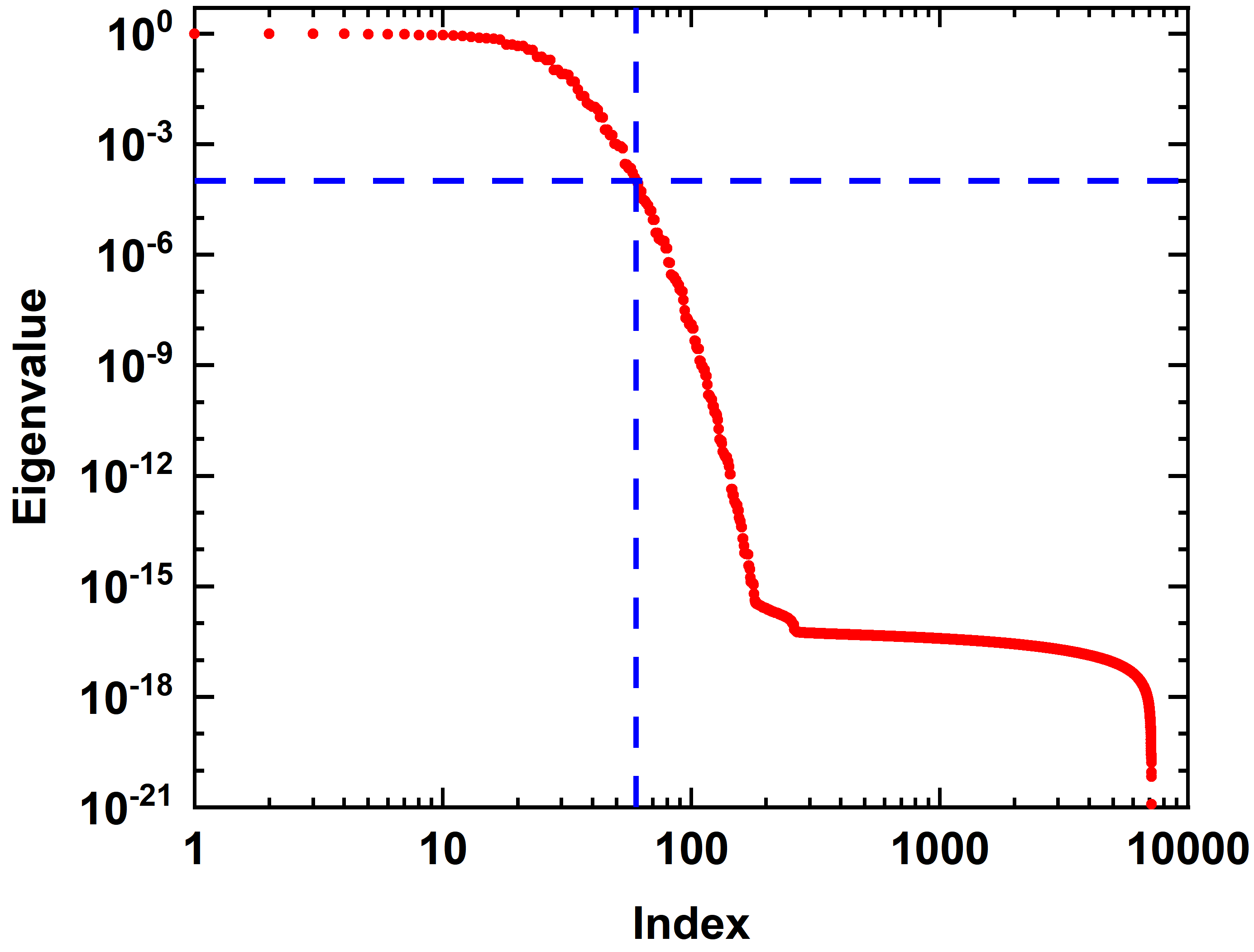
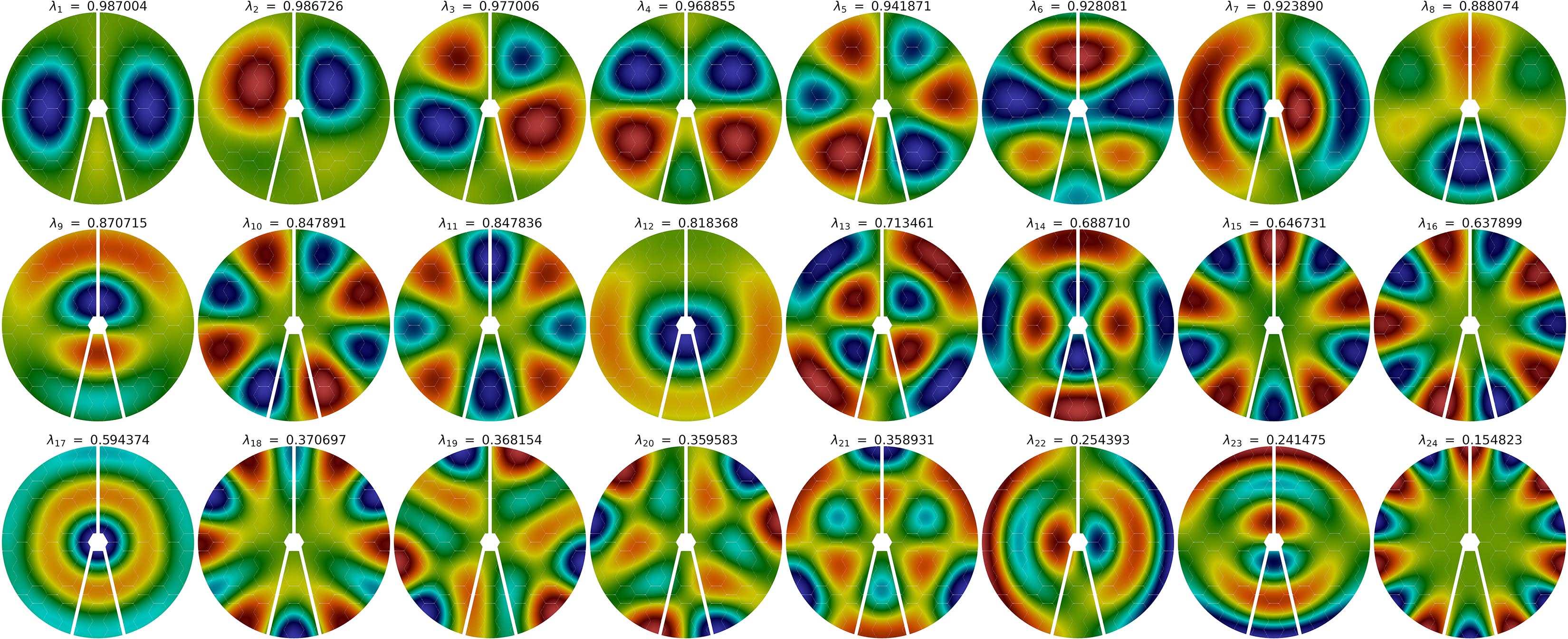
Pupil apodization design, optimal pupil basis modes obtained numerically via method of moments
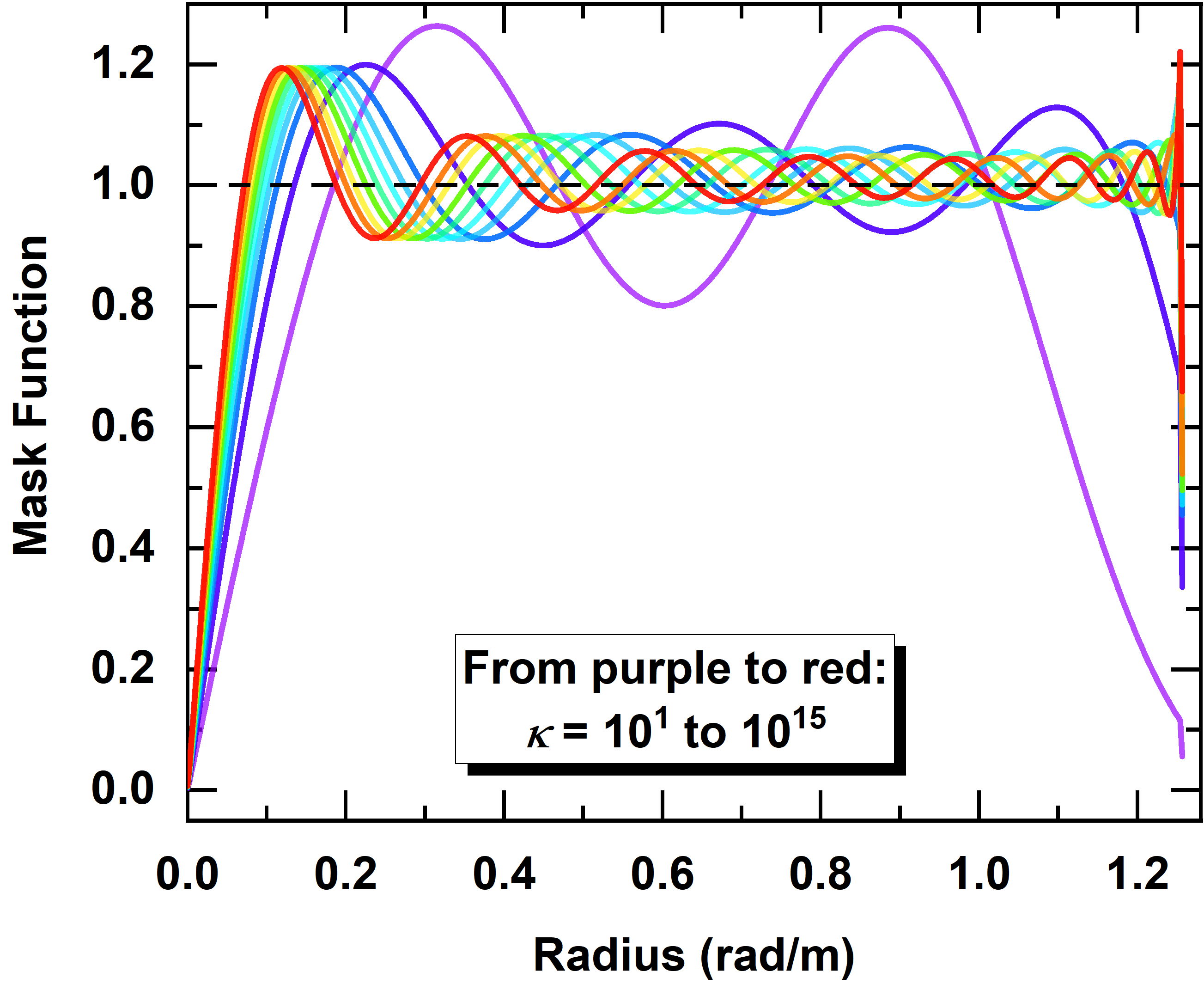
Axisymmetric focal plane mask (FPM) design with increasing radii using constrained least squares
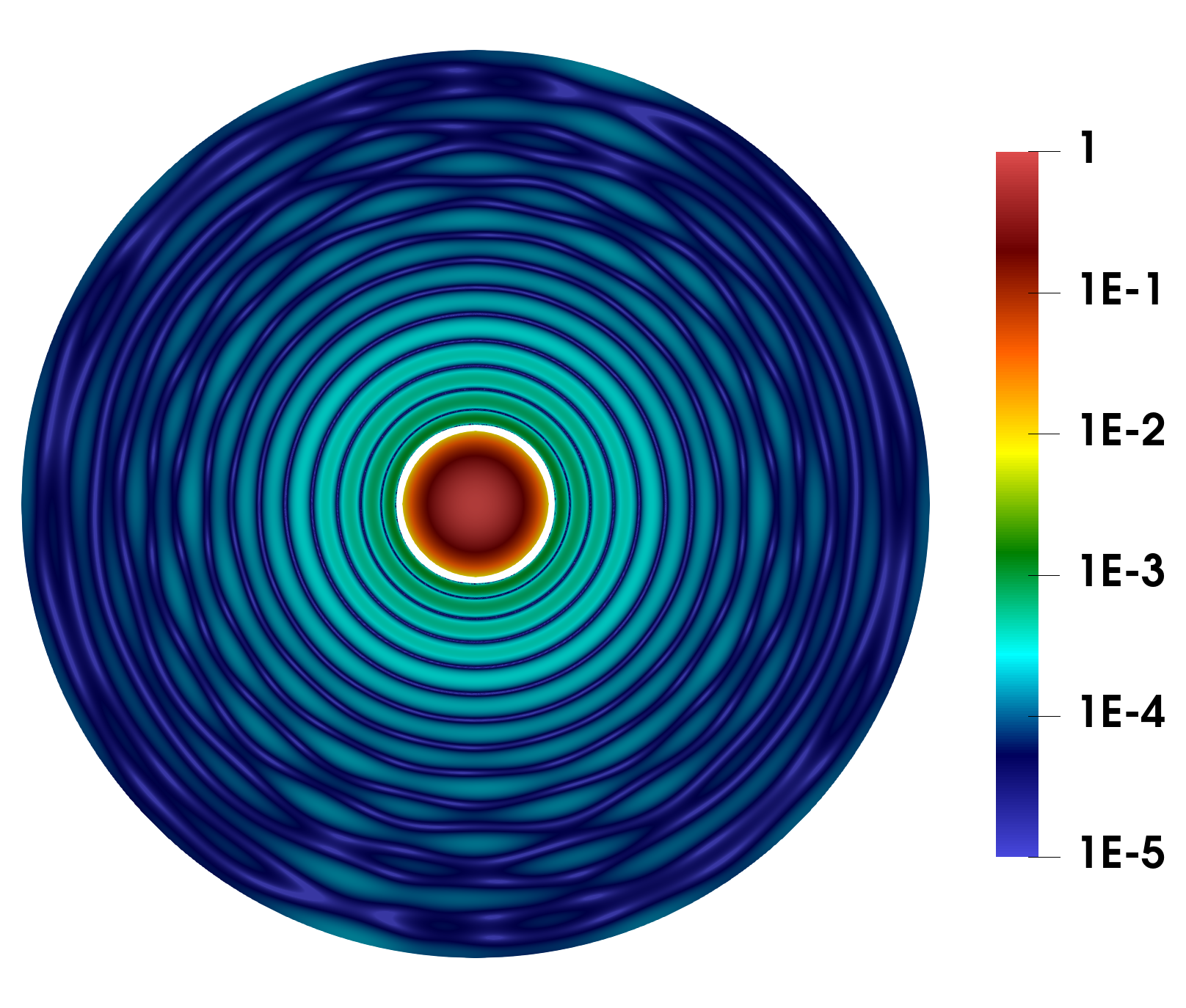
Model order reduction based sensitivity analysis of coronagraph pupil aperture
Fast reconstruction of optimal pupil apodization for telescope coronagraph design
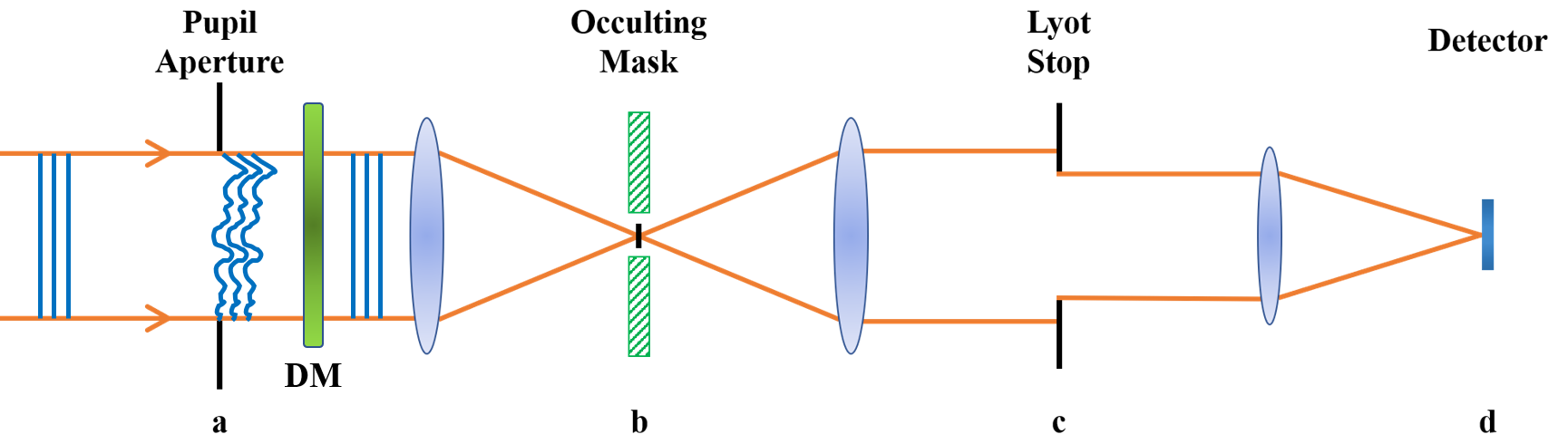
Application of MoM in telescope coronagraph pupil and focal plane mask design
> funding_agencies
> key_publications
Telescope coronagraph focal plane mask design using the method of moments and a constrained least squares
Su Yan, L. Wise, and P. Chen, 2023 IEEE MTT-S International Conference on Numerical Electromagnetic and Multiphysics Modeling and Optimization, Winnipeg, Canada, June, 2023
Fast reconstruction of optimal pupil apodization for telescope coronagraph design based on the method of moments
Su Yan and P. Chen, 2023 International Applied Computational Electromagnetics Society (ACES) Symposium, Monterey, CA, USA, Mar., 2023
Application of the method of moments in telescope coronagraph pupil and focal plane mask design (Invited Paper)
Su Yan, L. Wise, and P. Chen, Proc. ICEAA-IEEE APWC 2023, Venice, Italy, 2023
Su Yan, P. Chen, M. I. Wade, and T. L. Gill, J. Opt. Soc. Am. A, 2022
Model order reduction based sensitivity analysis of coronagraph pupil aperture
Su Yan, P. Chen, M. I. Wade, T. L. Gill, and J. T. Trauger, Proc. IEEE Antennas Propag. Symp., Denver, CO, USA, July, 2022
Method of moments based coronagraph pupil design for exoplanet exploration
Su Yan, P. Chen, M. I. Wade, T. L. Gill, and J. T. Trauger, 2021 International Applied Computational Electromagnetics Society (ACES) Symposium, online, USA, Aug., 2021